¡Hasta 80% descuento por nuestro Gran Aniversario!  Ver más

Enviar a
CUAUHTÉMOC, Ciudad de México
0
  • argentina
  • chile
  • colombia
  • españa
  • méxico
  • perú
  • estados unidos
  • internacional

Selecciona tu país

América

Europa

Resto del mundo

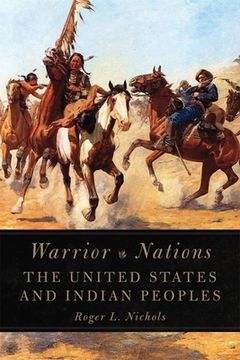
portada Warrior Nations: The United States and Indian Peoples (en Inglés)
Formato
Libro Físico
Idioma
Inglés
N° páginas
252
Encuadernación
Tapa Blanda
Dimensiones
22.6x15.2x1.8 cm
Peso
0.36 kg.
ISBN13
9780806143828

Warrior Nations: The United States and Indian Peoples (en Inglés)

Roger L. Nichols (Autor) · University of Oklahoma Press · Tapa Blanda

Warrior Nations: The United States and Indian Peoples (en Inglés) - Nichols, Roger L.

Libro Nuevo Importado
Envío: 17 a 22 días háb.
$ 1,374.74$ 756.11
-45%
Costos de importación incluídos en el precio ✅
Libro Nuevo

Quedan 100 unidades

$ 756.11
¡Envío Gratis!  Llega entre el 10 Sep y el 21 Sep a CUAUHTÉMOC, Ciudad de México. Seleccionar ubicación

Reseña del libro "Warrior Nations: The United States and Indian Peoples (en Inglés)"

During the century following George Washington's presidency, the United States fought at least forty wars with various Indian tribes, averaging one conflict every two and a half years. Warrior Nations is Roger L. Nichols's response to the question, "Why did so much fighting take place?" Examining eight of the wars between the 1780s and 1877, Nichols explains what started each conflict and what the eight had in common as well as how they differed. He writes about the fights between the United States and the Shawnee, Miami, and Delaware tribes in the Ohio Valley, the Creek in Alabama, the Arikara in South Dakota, the Sauk and Fox in Illinois and Wisconsin, the Dakota Sioux in Minnesota, the Cheyenne and Arapaho in Colorado, the Apache in New Mexico and Arizona, and the Nez Perce in Oregon and Idaho. Virtually all of these wars, Nichols shows, grew out of small-scale local conflicts, suggesting that interracial violence preceded any formal declaration of war. American pioneers hated and feared Indians and wanted their land. Indian villages were armed camps, and their young men sought recognition for bravery and prowess in hunting and fighting. Neither the U.S. government nor tribal leaders could prevent raids, thievery, and violence when the two groups met. In addition to U.S. territorial expansion and the belligerence of racist pioneers, Nichols cites a variety of factors that led to individual wars: cultural differences, border disputes, conflicts between and within tribes, the actions of white traders and local politicians, the government's failure to prevent or punish anti-Indian violence, and Native determination to retain their lands, traditional culture, and tribal independence. The conflicts examined here, Nichols argues, need to be considered as wars of U.S. aggression, a central feature of that nation's expansion across the continent that brought newcomers into areas occupied by highly militarized Native communities ready and able to defend themselves and attack their enemies.

Opiniones del libro

Preguntas frecuentes sobre el libro

Todos los libros de nuestro catálogo son Originales.
El libro está escrito en Inglés.
La encuadernación de esta edición es Tapa Blanda.

Preguntas y respuestas sobre el libro

¿Tienes una pregunta sobre el libro? Inicia sesión para poder agregar tu propia pregunta.

Opiniones sobre Buscalibre

Ver más opiniones de clientes