ESTE REGRESO A CLASES, ENCUENTRA MILLONES DE LIBROS CON DESCUENTO  Ver más

Enviar a
CUAUHTÉMOC, Ciudad de México
0
  • argentina
  • chile
  • colombia
  • españa
  • méxico
  • perú
  • estados unidos
  • internacional

Selecciona tu país

América

Europa

Resto del mundo

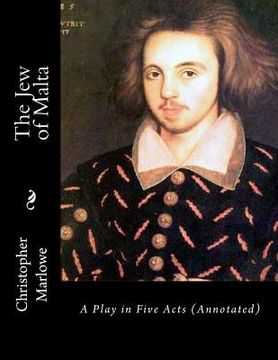
portada The Jew of Malta: A Play in Five Acts (Annotated) (en Inglés)
Formato
Libro Físico
Ilustrado por
Editorial
Idioma
Inglés
N° páginas
104
Encuadernación
Tapa Blanda
Dimensiones
28.0 x 21.6 x 0.6 cm
Peso
0.26 kg.
ISBN13
9781542379717

The Jew of Malta: A Play in Five Acts (Annotated) (en Inglés)

Christopher Marlowe (Autor) · Alexander Dyce (Ilustrado por) · Createspace · Tapa Blanda

The Jew of Malta: A Play in Five Acts (Annotated) (en Inglés) - Christopher Marlowe

Libro Nuevo Importado
Envío: 17 a 22 días háb.
$ 671.41$ 335.71
-50%
Costos de importación incluídos en el precio ✅
Libro Nuevo

Quedan más de 100 unidades

$ 335.71
Llega entre el 31 Ago y el 08 Sep a CUAUHTÉMOC, Ciudad de México. Seleccionar ubicación

Reseña del libro "The Jew of Malta: A Play in Five Acts (Annotated) (en Inglés)"

The Jew of Malta (originally spelled The Ievv of Malta) is a play by Christopher Marlowe, probably written in 1589 or 1590. The plot is an original story of religious conflict, intrigue, and revenge, set against a backdrop of the struggle for supremacy between Spain and the Ottoman Empire in the Mediterranean that takes place on the island of Malta. The title character, Barabas, dominates the play's action. There has been extensive debate about the play's portrayal of Jews and how Elizabethan audiences would have viewed it. The Jew of Malta is considered to have been a major influence on William Shakespeare's The Merchant of Venice. The play contains a prologue in which the character Machiavel, a Senecan ghost based on Niccolò Machiavelli, introduces "the tragedy of a Jew." Machiavel expresses the cynical view that power is amoral, saying "I count religion but a childish toy, /And hold there is no sin but ignorance." Barabas begins the play in his counting-house. Stripped of all he has for protesting the Governor of Malta's seizure of the wealth of the country's whole Jewish population to pay off the warring Turks, he develops a murderous streak by, with the help of his slave Ithamore, tricking the Governor's son and his friend into fighting over the affections of his daughter, Abigail. When they both die in a duel, he becomes further incensed when Abigail, horrified at what her father has done, runs away to become a Christian nun. In retribution, Barabas then goes on to poison her along with the whole of the nunnery, strangles an old friar (Barnadine) who tries to make him repent for his sins and then frames another friar (Jacomo) for the first friar's murder. After Ithamore falls in love with a prostitute who conspires with her criminal friend to blackmail and expose him (after Ithamore drunkenly tells them everything his master has done), Barabas poisons all three of them. When he is caught, he drinks "of poppy and cold mandrake juice" so that he will be left for dead, and then plots with the enemy Turks to besiege the city. When at last Barabas is nominated governor by his new allies, he switches sides to the Christians once again. Having devised a trap for the Turks' galley slaves and soldiers in which they will all be demolished by gunpowder, he then sets a trap for the Turkish prince himself and his men, hoping to boil them alive in a hidden cauldron. Just at the right moment, however, the former governor emerges and causes Barabas to fall into his own trap. He dies, but not before the Turkish army has indeed been demolished according to his plans, thus delivering the Turkish prince into the hands of the Christians and revealing them to be every bit as scheming and hypocritical as the Jew they had condemned. (Annotated)
Christopher Marlowe
  (Autor)
Ver Página del Autor
Christopher Marlowe (1564-1593) fue un dramaturgo, poeta y traductor inglés de la época isabelina. Su vida sigue siendo un gran misterio en torno al cual giran todo tipo de leyendas. Nació en Canterbury el mismo año que William Shakespeare en el seno de una próspera familia de clase media. Estudió en Corpus Christi College, Cambridge, donde en 1584 obtuvo un bachillerato en artes y terminó su maestría en 1587. En un principio las autoridades de Cambridge no querían otorgarle el título puesto que sospechaban que se hubiera convertido al catolicismo, pero el Consejo Privado de la reina intervino en su defensa haciendo hincapié que Marlowe «había prestado un buen servicio a su Majestad» y que había estado trabajando para el «beneficio del país». Se desconoce, no obstante, el servicio que realmente ofreció a la corona. Tras los años que pasó en Cambridge, Marlowe fue a Londres donde llevó una vida oscura y turbulenta (tuvo un par de tropiezos con la ley y tenía mala reputación) mientras trataba de abrirse camino como dramaturgo.

Es autor de siete obras de teatro y un poema incompleto: las dos partes de Tamerlán el grande, El judío de Malta, Eduardo II, Doctor Faustus, Dido, reina de Cartago y La masacre de París, así como el poema Hero y Leandro. En 1593, cuando tan solo tenía veintinueve años, fue arrestado y acusado de ser ateo. No llegó a ingresar a prisión, y antes de que se juzgara su caso, murió durante una riña en una taberna de Deptford.
Ver más
Ver menos

Opiniones del libro

Preguntas frecuentes sobre el libro

Todos los libros de nuestro catálogo son Originales.
El libro está escrito en Inglés.
La encuadernación de esta edición es Tapa Blanda.

Preguntas y respuestas sobre el libro

¿Tienes una pregunta sobre el libro? Inicia sesión para poder agregar tu propia pregunta.

Opiniones sobre Buscalibre

Ver más opiniones de clientes