¡Hasta 80% descuento por nuestro Gran Aniversario!  Ver más

Enviar a
CUAUHTÉMOC, Ciudad de México
0
  • argentina
  • chile
  • colombia
  • españa
  • méxico
  • perú
  • estados unidos
  • internacional

Selecciona tu país

América

Europa

Resto del mundo

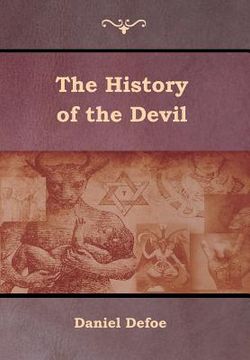
portada The History of the Devil (en Inglés)
Formato
Libro Físico
Idioma
Inglés
N° páginas
272
Encuadernación
Tapa Dura
Dimensiones
22.9x15.2x1.9 cm
Peso
0.55 kg.
ISBN13
9781618955548

The History of the Devil (en Inglés)

Daniel Defoe (Autor) · Bibliotech Press · Tapa Dura

The History of the Devil (en Inglés) - Daniel Defoe

Libro Nuevo Importado
Envío: 13 a 18 días háb.
$ 1,414.97$ 778.24
-45%
Costos de importación incluídos en el precio ✅
Libro Nuevo

Quedan más de 100 unidades

$ 778.24
¡Envío Gratis!  Llega entre el 10 Sep y el 21 Sep a CUAUHTÉMOC, Ciudad de México. Seleccionar ubicación

Reseña del libro "The History of the Devil (en Inglés)"

Daniel Defoe (c.1659 - 24 April 1731), born Daniel Foe, was an English writer, journalist, and pamphleteer, who gained enduring fame for his novel Robinson Crusoe. Defoe is notable for being one of the earliest proponents of the novel, as he helped to popularize the form in Britain, and is even referred to by some as one of the founders of the English novel. A prolific and versatile writer, he wrote more than five hundred books, pamphlets, and journals on various topics (including politics, crime, religion, marriage, psychology and the supernatural). He was also a pioneer of economic journalism.The extent and particulars of Defoe's writing in the period from the Tory fall in 1714 to the publication of Robinson Crusoe in 1719 is widely contested. Defoe comments on the tendency to attribute author-less tracts to him in his self-vindicatory Appeal to Honour and Justice (1715), a defence of his part in Harley's Tory ministry (1710-14). Other works that are thought to anticipate his novelistic career include: The Family Instructor (1715), an immensely successful conduct manual on religious duty; Minutes of the Negotiations of Monsr. Mesnager (1717), in which he impersonates Nicolas Mesnager, the French plenipotentiary who negotiated the Treaty of Utrecht (1713); and A Continuation of the Letters Writ by a Turkish Spy (1718), a satire on European politics and religion, professedly written by a Muslim in Paris.From 1719 to 1724, Defoe published the novels for which he is now famous (see below). In the final decade of his life, he also wrote conduct manuals, including Religious Courtship (1722), The Complete English Tradesman (1726), and The New Family Instructor (1727). He published a number of books decrying the breakdown of the social order, such as The Great Law of Subordination Considered (1724) and Everybody's Business is Nobody's Business (1725), and works on the supernatural, like The Political History of the Devil (1726), A System of Magick (1726), and An Essay on the History and Reality of Apparitions (1727). His works on foreign travel and trade include A General History of Discoveries and Improvements (1727) and Atlas Maritimus and Commercialis (1728). Perhaps his greatest achievement alongside the novels is the magisterial A tour thro' the Whole Island of Great Britain (1724-27), which provided a panoramic survey of British trade on the eve of the Industrial Revolution.Daniel Defoe died on April 24, 1731, probably while in hiding from his creditors. He was interred in Bunhill Fields, London, where his grave can still be visited. Daniel Defoe is known to have used at least 198 separate pen names during his lifetime of writing. (wikipedia.org)
Daniel Defoe
  (Autor)
Ver Página del Autor
Escritor y periodista inglés, Daniel Defoe es conocido principalmente por su novela Robinson Crusoe (1719), aunque también destacó por su papel en el desarrollo de la prensa y por sus ensayos políticos y sociales.

Defoe abandonó sus estudios para convertirse en un discreto hombre de negocios, cuyas actividades no acabaron de resultar rentables, recibiendo incluso pena de prisión por sus deudas.

Es a partir de 1695, tras varios años de exilio por su ideología política, que comienza un nuevo negocio dedicado a tejas y a ladrillos que comienza a funcionar proporcionándole a su familia —estaba casado y tenía seis hijos— una mayor estabilidad económica.

Sin embargo, su activismo político le lleva a publicar varios ensayos o panfletos que le cuestan días de reclusión y de picota. Tras volver a la cárcel, Defoe pasa a trabajar desde una revista apoyando a facciones políticas del gobierno, participando en los servicios secretos ingleses.

En 1719 publica su gran novela, Robinson Crusoe, que le permite lanzarse a una carrera literaria jalonada de éxitos como Las aventuras del capitán Singleton, Diario del año de la peste o Moll Flanders. Su popularidad creció y su influencia en posteriores generaciones de escritores al potenciar el género novelístico es notable.

Pese a todo su éxito y sus relaciones con el gobierno, Defoe nunca logró una solvencia económica estable durante mucho tiempo. Su muerte en 1731 se dio mientras huía de nuevos acreedores.
Ver más
Ver menos

Opiniones del libro

Preguntas frecuentes sobre el libro

Todos los libros de nuestro catálogo son Originales.
El libro está escrito en Inglés.
La encuadernación de esta edición es Tapa Dura.

Preguntas y respuestas sobre el libro

¿Tienes una pregunta sobre el libro? Inicia sesión para poder agregar tu propia pregunta.

Opiniones sobre Buscalibre

Ver más opiniones de clientes