ESTE REGRESO A CLASES, ENCUENTRA MILLONES DE LIBROS CON DESCUENTO  Ver más

Enviar a
CUAUHTÉMOC, Ciudad de México
0
  • argentina
  • chile
  • colombia
  • españa
  • méxico
  • perú
  • estados unidos
  • internacional

Selecciona tu país

América

Europa

Resto del mundo

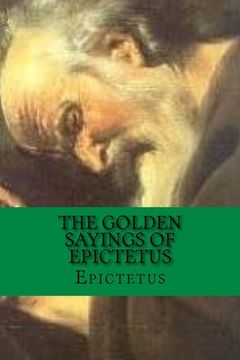
portada The Golden Sayings of Epictetus: Classic Literature (en Inglés)
Formato
Libro Físico
Editorial
Idioma
Inglés
N° páginas
84
Encuadernación
Tapa Blanda
Dimensiones
22.9 x 15.2 x 0.5 cm
Peso
0.14 kg.
ISBN13
9781545528983

The Golden Sayings of Epictetus: Classic Literature (en Inglés)

Epicteto (Autor) · Createspace · Tapa Blanda

The Golden Sayings of Epictetus: Classic Literature (en Inglés) - Epictetus

Libro Nuevo Importado
Envío: 18 a 23 días háb.
$ 760.16$ 380.08
-50%
Costos de importación incluídos en el precio ✅
Libro Nuevo

Quedan más de 100 unidades

$ 380.08
Llega entre el 31 Ago y el 08 Sep a CUAUHTÉMOC, Ciudad de México. Seleccionar ubicación

Reseña del libro "The Golden Sayings of Epictetus: Classic Literature (en Inglés)"

"How then do men act?"The Golden Sayings of Epictetus is one of three key texts, along with the Meditations of Marcus Aurelius and Seneca's Letters From A Stoic, from which we know the philosophy of Stoicism.Epictetus (ca. 50-ca. 130 AD) primarily taught about the philosophy of happiness and virtue. To Epictetus, external happenings were determined by fate, and were therefore beyond human control. He believed that people could accept whatever happened to them in a calm and unemotional manner if they recognized that certain things were not under their control. Even though fate played a role in events, Epictetus still believed that individuals were responsible for their own actions.Although he was born into slavery and endured a permanent physical disability, Epictetus maintained that all people are free to control their lives and to live in harmony with nature. We will always be happy, he argued, if we learn to desire that things should be exactly as they are.
Epicteto
  (Autor)
Ver Página del Autor
Epicteto, o Epícteto, (en griego: Επίκτητος [Epíktētos], ‘adquirido’; Hierápolis,​ 55-Nicópolis, 135) fue un filósofo griego de la escuela estoica que vivió parte de su vida como esclavo en Roma. Hasta donde se sabe, no dejó obra escrita, pero de sus enseñanzas se conservan un Enquiridión (Ἐγχειρίδιον) o Manual y sus Disertaciones (Διατριβαί), escritos ambos por su discípulo Flavio Arriano, así como algunos fragmentos.
Ver más
Ver menos

Opiniones del libro

Preguntas frecuentes sobre el libro

Todos los libros de nuestro catálogo son Originales.
El libro está escrito en Inglés.
La encuadernación de esta edición es Tapa Blanda.

Preguntas y respuestas sobre el libro

¿Tienes una pregunta sobre el libro? Inicia sesión para poder agregar tu propia pregunta.

Opiniones sobre Buscalibre

Ver más opiniones de clientes